
Shower Set RFQs: List the Supplied Components
Ask for a component schedule that names the main shower assembly and states whether each pictured or required part is included, optional or excluded. Link every included part to the selected model and ask how it is supplied and packed. Use that schedule beside the quotation and the sample. This makes the supply boundary explicit without treating every object in a catalogue photograph as an item included in the price.
Begin with one complete model reference
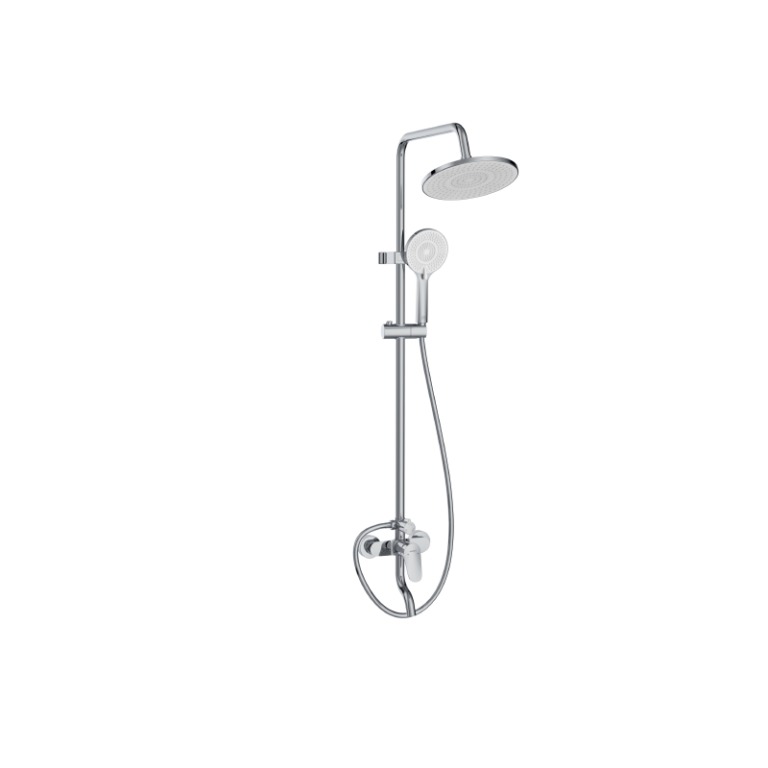
Xinde Bathroom’s shower listing MQB2220-650-100-11 provides a useful starting reference. Its catalogue image shows an assembled arrangement. The buyer’s first task is to establish what the offered set actually contains, rather than assuming that an assembled photograph is a packing list. Ask the supplier to name the version represented by the quotation and identify any difference from the pictured reference.
Keep a separate inquiry line for a different model or proposed substitute. Combining a top spray from one reference with a handheld part from another can produce an unintended specification. If the buyer wants such a combination, state it as a request for a new proposed supply configuration. The supplier should identify the components and confirm the proposal instead of leaving the combination implicit.
Name components in language both parties can follow
Mark a reference photograph and give each relevant component a simple name. Depending on the proposed set, the discussion may include the upper spray, handheld shower, hose, rail, holder, main body and finishing pieces. These names are questions for the supplier’s confirmation, not a declaration that all are included. Ask the supplier to align the schedule with its own component identifiers where those exist.
Avoid using the word accessories as a substitute for a list. It may refer to several different collections of parts. Ask whether fittings, decorative covers or other small pieces relevant to the order are included and how they are identified. Where a buyer does not yet know the required scope, keep a clearly labelled optional list. That allows the supplier to respond without treating every possible component as mandatory.
Compare quotations at the component boundary
The schedule is useful even when one supplier quotes a single set price. It explains what that price covers. A comparison should show a scope difference before it is described as a price difference. Do not assign an assumed value to an absent component; request a comparable offer or retain the distinction in the buying decision.
Component group | Supplier statement | What the buyer compares
Main assembly | Model and included configuration | Same proposed set in each offer
Spray components | Individual included references | Identical or explicitly different scope
Hose and holders | Included, optional or excluded | No hidden accessory assumptions
Small finishing pieces | Named list and supplied state | Receiving checklist can identify them
Other required items | Explicit inclusion or exclusion | Separate scope where necessary
Separate part inclusion from technical suitability
The product page contains technical and functional descriptions, but a component list does not independently verify their applicability to the buyer’s project. Ask the supplier for the model-specific information needed by the relevant reviewer. Keep dimensional, connection, finish and performance requirements in their appropriate document fields. An included hose, for example, still needs an identified specification if that specification matters to the purchase.
Do not turn a catalogue phrase about certification, pressure or spray functions into an accepted claim without the applicable supporting information. The narrow purpose of this RFQ is to make the offered contents clear. If the buyer requires a documented standard or a particular result, identify that requirement separately and ask which evidence applies to the offered model and components.
Make the sample unpacking record useful for receiving
Ask how the proposed set is packed and whether components arrive assembled or separate. Link the sample packing arrangement to the component schedule. When examining the sample, record what is present before items are mixed with other samples. A simple set of labelled photographs can help resolve an apparently missing small part without relying on someone’s memory of the catalogue picture.
If a component cannot be identified confidently, ask the supplier to connect it to the schedule rather than guessing its role. Keep any unanswered question open. A physical item that looks familiar may belong to a different model or an optional configuration. The receiving reference should use the agreed identities so that the next person inspecting a delivery can follow the same list.
Keep substitutions and repeat orders visible
Before ordering, request confirmation that the quotation and proposed packing list refer to the same component schedule. Ask the supplier to identify substitutions or exclusions clearly. A change to a small visible piece may affect the buyer’s appearance reference, while a change to another component may require a separate technical review. Treat the proposal according to its actual scope rather than assuming it is inconsequential.
For a reorder, attach the previously accepted schedule and ask which references remain unchanged. If an earlier schedule used only generic descriptions, improve its clarity with supplier-confirmed identifiers before relying on it again. Keep the earlier approval as history and document the current offer. This makes purchasing decisions traceable without promising compatibility, installation suitability or a performance outcome that the schedule itself does not establish.
• Ask for named components rather than an undefined accessory bundle.
• Mark each component included, optional or excluded.
• Use the same schedule for quotation, sample and receiving reference.
Frequently asked questions
Does an assembled catalogue image prove every part is included?
No. Use it to identify the reference and ask for an explicit supply schedule. The supplier should state what is included in the quotation and what is optional or excluded.
Can one set price still be compared component by component?
Yes. A component schedule explains the scope covered by that set price. It helps the buyer identify differences between offers without assuming that every supplier has used the same meaning of set.
Does a complete component list establish project suitability?
No. It establishes the stated supply boundary. Applicable dimensions, connections, finishes and other requirements need their own model-specific information and review.
Product and contact references
Selected model reference: https://xdbathroom.com/product/mqb2220-650-100-11/
Contact Xinde Bathroom: https://xdbathroom.com/contact/
Xinde Bathroom blog: https://xdbathroom.com/blog/