
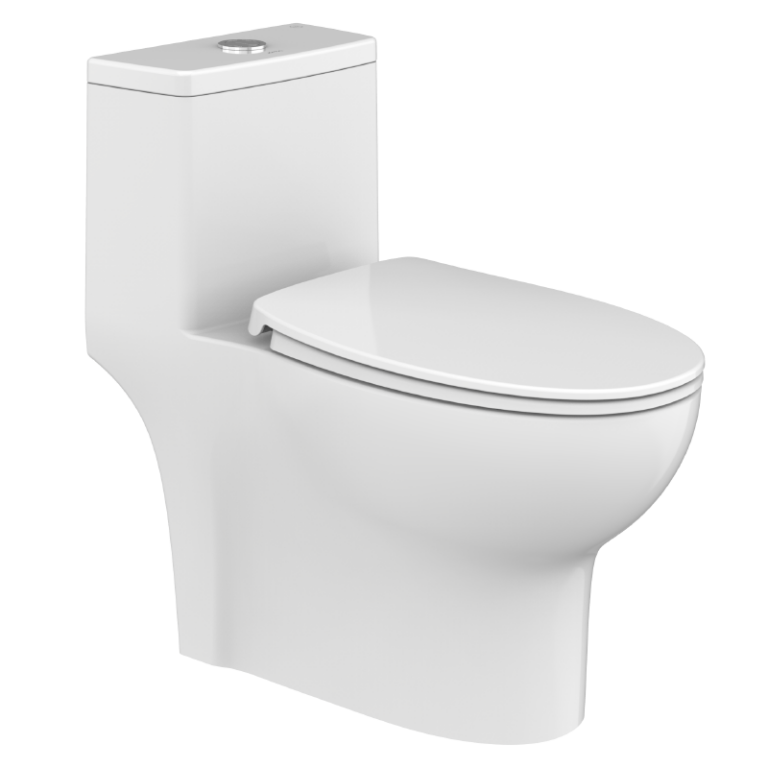
Toilet RFQs: Request a Dimensioned Drawing
Request a dimensioned drawing identified to the exact toilet model and revision, with units and measurement datums stated. Ask the supplier to distinguish overall dimensions from connection positions and to identify the supplied components and exclusions. Compare quotations only after the same drawing is referenced in each offer. A photograph or the digits in a model name should not be used to infer a connection measurement or project fit.
Use the model code as an identifier, not a measuring rule
Xinde Bathroom lists the standard toilet MTM3030-305-11K-11. Its product page provides a catalogue reference and an overall-size entry, but a buyer still needs the associated drawing to understand what each dimension represents. A code can distinguish one listed model from another without explaining the geometry. Ask the supplier to identify the exact proposed version before transferring any dimensional information into a project schedule.
Avoid interpreting a number embedded in a model code as a particular connection distance. The supplier should state the meaning of the applicable dimensions in a drawing or data sheet. If an existing purchasing record contains an assumed measurement, mark it for confirmation. Keeping the assumption visible gives the supplier a precise question and prevents an unverified interpretation from becoming the basis of a quotation comparison.
Request the views and datums needed by the review team
A useful drawing tells the reviewer where a measurement starts and ends. Ask for identified views showing the features relevant to the procurement review. Overall width, depth and height should not be confused with connection positions or clearance information. Where the supplier uses a centreline or a finished reference surface, ask that it be named. The reviewer should be able to understand the definition without estimating it from the illustration.
State the project information that needs to be checked and ask the supplier which document addresses it. This is preferable to requesting an undefined full specification and receiving a general brochure. If the offered drawing leaves a required feature unmeasured, record the gap as an open question. Do not add a scaled estimate to make the sheet appear complete. A drawing intended only for appearance should remain identified as such.
Keep document decisions separate in the RFQ
This table is a document checklist, not a set of product dimensions. The values and applicable requirements must come from the supplier and the buyer’s project information. Using a shared checklist helps purchasing teams see whether offers answer the same questions while preserving the technical review team’s responsibility for assessing the actual proposed configuration.
Information | Requested record | Buyer check
Model and version | Exact supplier identifier on drawing | Matches the quoted item
Overall dimensions | Labelled values with units | Datums and views are understandable
Connection information | Applicable model-specific detail | Reviewed against project requirements
Supplied components | Inclusion and exclusion schedule | Matches the quotation scope
Revision | Named document version | Same version used by all reviewers
Carry exclusions into the quotation comparison
The selected product page states that an angle valve and hose are not included. Bring that stated exclusion into the inquiry and ask the supplier to confirm its application to the offered version. Do not assume that an alternative offer contains those items unless they are named. A quotation that includes a different accessory scope may need a separate comparison line rather than being judged solely against the main item’s description.
Apply the same discipline to any seat, cover, fixing or other component relevant to the buyer’s order. Ask the supplier to state what is included and which items have separate references. A component shown in a product photograph can help frame the question, but a complete supply list should be explicit. Keep the list linked to the selected model so that an accessory statement from another product is not carried across accidentally.
Link a sample to the proposed drawing
If a sample is supplied, ask for its model and drawing reference before reviewing it. Photograph the identifying information and compare the visible form with the drawing. Where a measurement check is required, agree how the relevant points will be identified and recorded. A sample with no document reference may be useful for preliminary discussion, but it should not automatically close a question about the quoted version.
Record discrepancies as specific observations. Identify the drawing view and feature in question, then attach the corresponding sample photograph or measurement record. Ask whether the sample, the drawing or the proposed offer needs clarification. This approach is more actionable than a general sample does not match comment and avoids deciding the cause before the supplier has responded.
Freeze the agreed document set for ordering
Before the order is confirmed, identify the accepted model, drawing revision and supply schedule in the commercial record. Ask the supplier to list any departures from that set. If a revised drawing is offered, route it through the same relevant reviewers and retain the previous version as history. Do not let an attachment with the same filename silently replace a reviewed document.
For a repeat order, send the previous document identifiers with the new inquiry and ask whether the proposed item remains unchanged. A familiar product name does not establish that every dimension or included component is the same. Keep any proposed changes visible for review. The resulting record supports a consistent purchasing conversation without converting a catalogue description into an unsupported fit, performance or compliance assurance.
• Identify the exact model and drawing revision in the RFQ.
• Keep dimensional definitions and accessory exclusions explicit.
• Leave unresolved fit questions open until the appropriate review is complete.
Frequently asked questions
Can the model code establish a connection measurement?
Do not assume that it does. Ask the supplier to define the relevant measurement in the applicable model-specific document. A code is first an identifier, and its digits may not be a complete dimensional explanation.
Is an overall-size entry enough for project review?
It may answer only part of the question. Request the drawing views, datums and connection information required for the actual review. Missing details should remain open rather than being estimated from a photograph.
Why repeat a catalogue exclusion in the RFQ?
It makes the supplier’s quoted supply scope explicit for the selected version. This helps prevent offers with different accessory contents from being compared as though they cover the same items.
Product and contact references
Selected model reference: https://xdbathroom.com/product/mtm3030-305-11k-11/
Contact Xinde Bathroom: https://xdbathroom.com/contact/
Xinde Bathroom blog: https://xdbathroom.com/blog/